Ep 6 | Are Rhythms Too Rigid? 3 Ways to Build Rhythms That Actually Work
Have you ever started a new routine with the best intentions… only to give up a week later?
Maybe you decided this was finally the month you would meal plan, wake up early to read your Bible, or start having family devotions. You were excited. Motivated. Ready to make a change.
Then life happened.
Someone got sick. You overslept. Dinner plans changed. And before long, you found yourself thinking, Well, I blew it.
So you gave up.
If you’ve been there, you’re not alone. We’ve been there too.
One of the biggest myths we hear is that rhythms are too rigid—that they leave no room for real life. But we’ve discovered the opposite is true. Healthy rhythms don’t make life smaller. They make it steadier. They create space for what matters most.
Rhythms Aren’t Chains—They’re Trellises
A few summers ago, we built a garden and learned something simple but powerful.
Our cucumber plants needed a trellis. Without one, the vines would spread across the ground and struggle to grow well. The trellis didn’t limit the plant. It supported it.
That’s what healthy rhythms do.
They’re not chains that hold you down. They’re a trellis that helps your family grow.
A rhythm isn’t about controlling every minute of your day. It’s simply a framework that gives your days direction while still leaving room for creativity, flexibility, and real life.
Leave Room for Creativity
One reason people avoid routines is because they think every day has to look exactly the same.
It doesn’t.
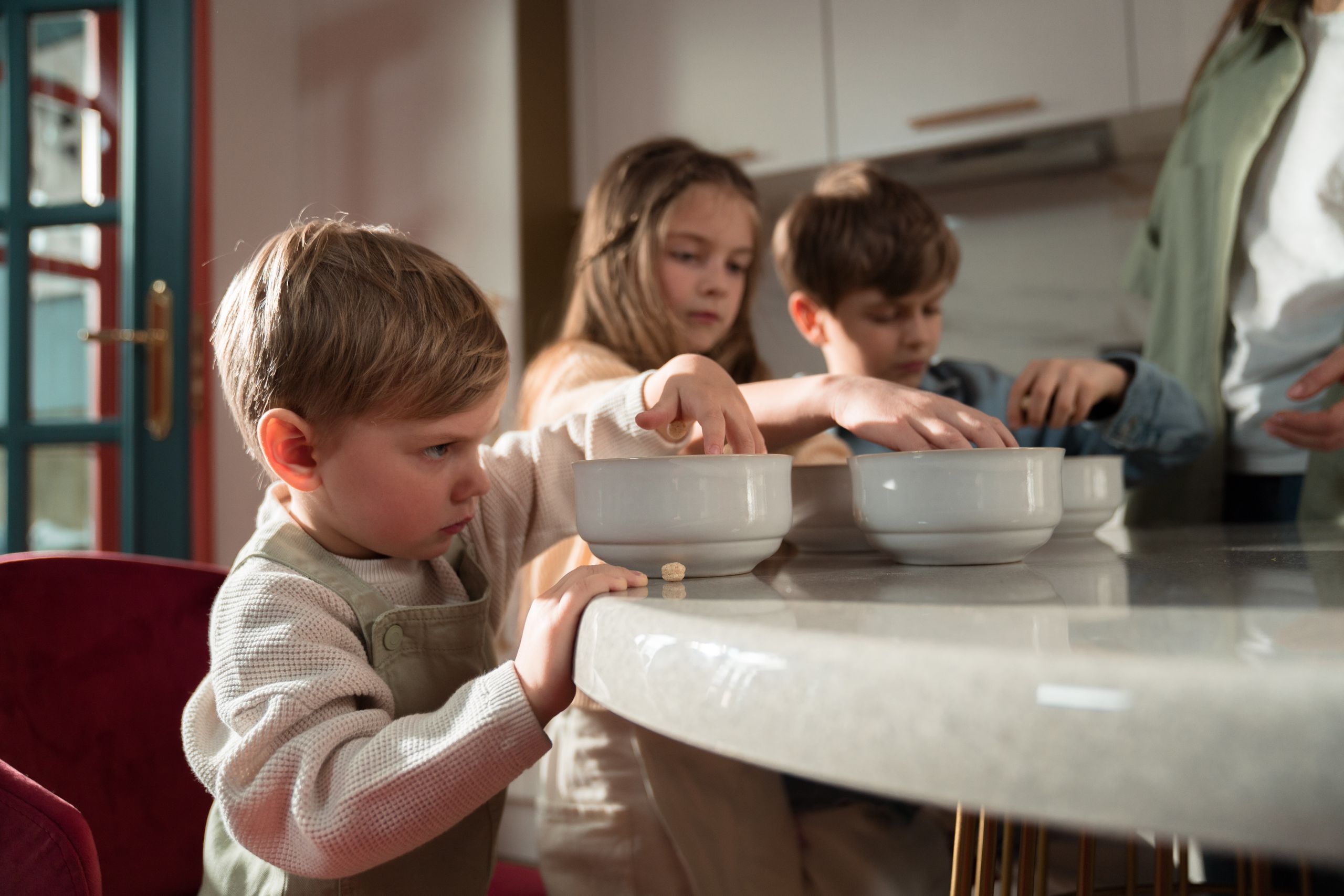
Our family breakfast rhythm is a great example. We know we want to gather around the table, eat together, and spend a few minutes growing in our faith. Those pieces stay consistent.
But everything inside that rhythm changes.
Some mornings we read a devotional. Other mornings we pray together. Sometimes we pull out a favorite family devotional our kids love. Breakfast might be oatmeal one day and waffles the next.
The rhythm stays the same.
The expression changes.
That simple shift has helped us realize that consistency doesn’t mean sameness. In fact, a little structure often creates more room for creativity, not less.
Give Yourself More Grace Than Pressure
One lesson we’ve had to learn over and over is this:
Consistency beats intensity.
It’s easy to get excited about a new rhythm and decide you’re going to do it perfectly.
We’ve done it.
Kayla remembers trying to plan every breakfast, lunch, and dinner for the week. On paper, it looked amazing. In real life, it became exhausting. One unexpected schedule change made the whole plan fall apart.
Eventually she realized the goal wasn’t perfection. The goal was sustainability.
Now we simply plan dinners and keep flexible ideas for breakfasts and lunches. It serves our family much better.
The same principle applies to every rhythm.
Instead of asking, Can I do this perfectly? ask yourself, Can I do this consistently?
If you follow your rhythm 80% of the time, you’re winning.
Real life includes vacations, sick kids, busy seasons, and unexpected interruptions. Those moments don’t mean your rhythm failed. They simply mean you’re living a real life.
Grace isn’t lowering the standard.
Grace is giving yourself permission to begin again.
Build Joy Into Your Rhythms
One of the easiest ways to make a rhythm last is to make it something you actually enjoy.
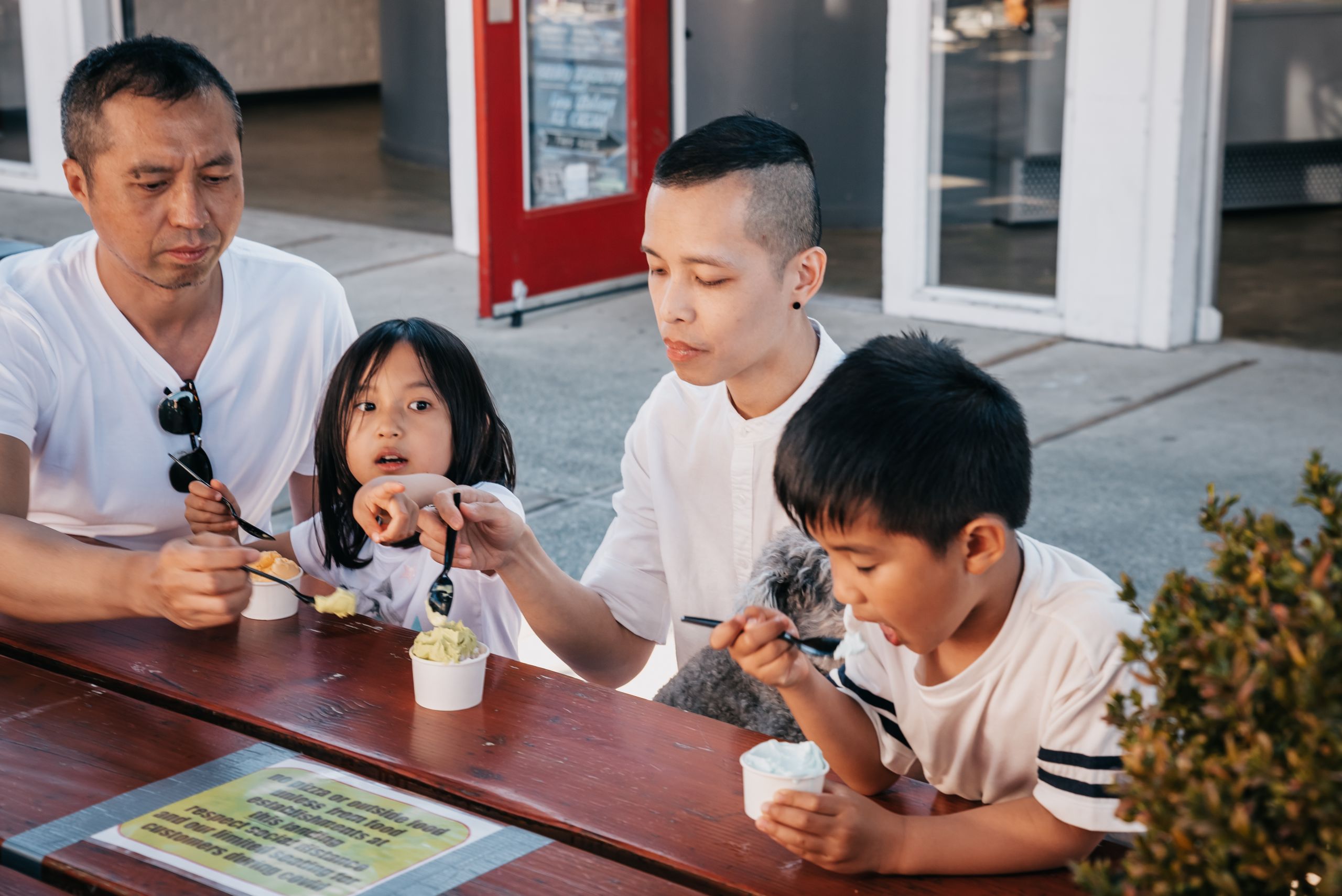
Our morning rhythm includes coffee by the fire. It’s a small thing, but it’s something we genuinely look forward to.
Our evening dinner cleanup ends with dessert around the table while we listen to an audiobook with the kids. Suddenly, cleaning the kitchen doesn’t feel like the end of the day—it feels like the beginning of one of our favorite family moments.
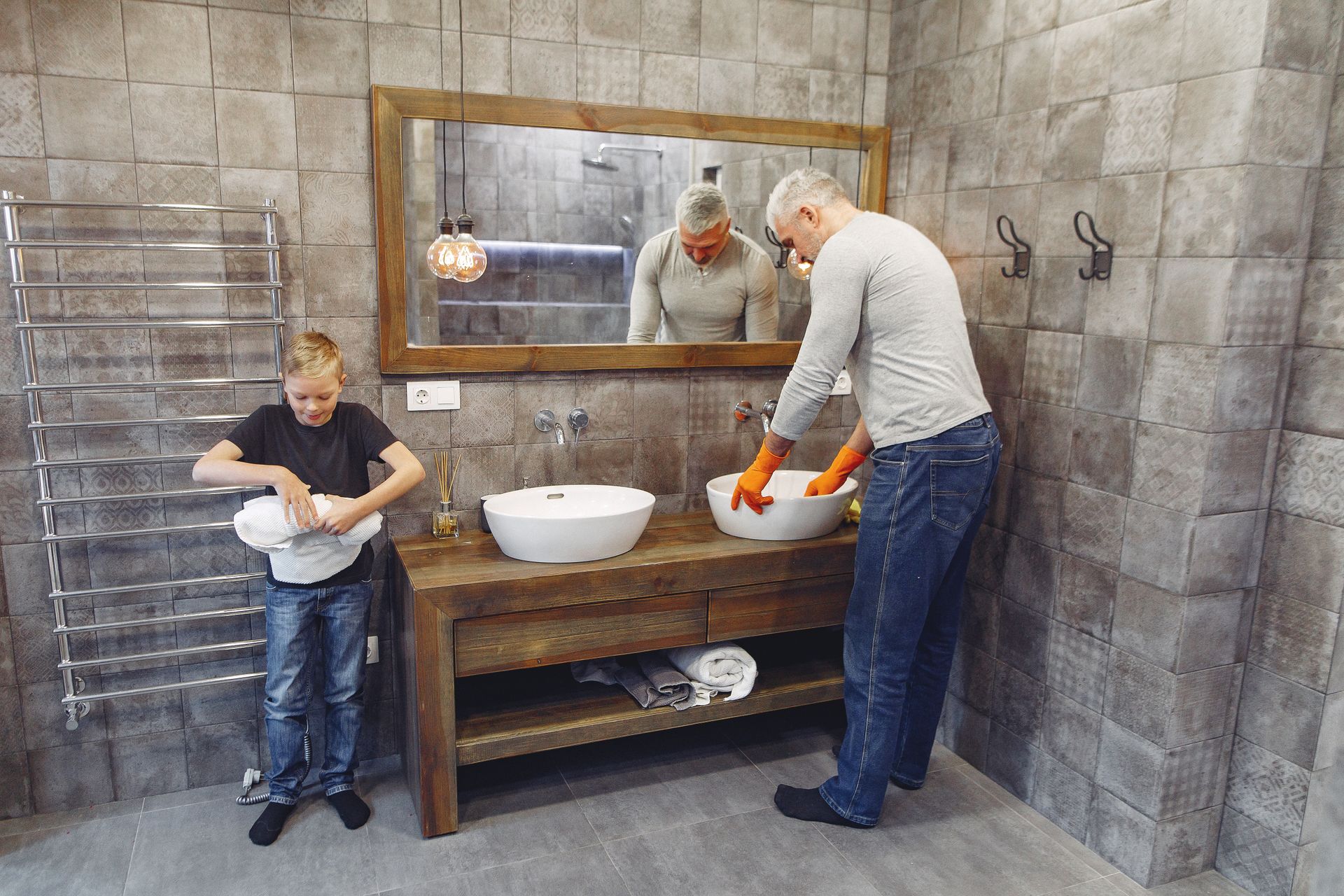
Even laundry has become more enjoyable.
Instead of one of us folding late at night alone, we’ve started folding together while watching Shark Tank. The work still gets done, but now there’s laughter and conversation mixed in.
Sometimes the reward happens inside the rhythm.
Other times it comes afterward.
Either way, anticipation helps us keep showing up.
A Rhythm That Fits Your Real Life
One of the most encouraging things we’ve learned is that rhythms aren’t one-size-fits-all.
Kayla naturally leans more creative and spontaneous.
Christian naturally loves routine and structure.
Our rhythms work because we built them together.
We’ve adjusted them through different seasons, different jobs, more children, and changing schedules. We don’t keep starting over every time life changes. We simply tweak the rhythm to fit the season we’re in.
That’s what sustainable rhythms look like.
They grow with your family.
Keep Growing, One Small Step at a Time
If you’ve believed the lie that rhythms are too rigid, we hope you’ll see them differently now.
A healthy rhythm isn’t about performing perfectly.
It’s about creating a life that helps your family flourish.
Start small.
Leave room for grace.
Add a little joy.
Then keep showing up, one ordinary day at a time.
If you’d like to hear more practical examples and the stories behind the rhythms that have shaped our family, we’d love for you to listen to Episode 6: Are Rhythms Too Rigid? 3 Ways to Build Rhythms That Actually Work. We hope it encourages you to build rhythms that aren’t perfect—but are life-giving, sustainable, and rooted in what matters most.

The Rooted Family is a podcast for Christian millennial parents who are tired of the rushed, chaotic pace of modern family life—and deeply desire something different.
Hosted by Christian and Kayla Cornish, parents of seven and founders of Legacy Roots Co., this show is all about building a countercultural family life rooted in faith, intentional rhythms, and Christ-centered formation. We believe following Jesus in today’s world means slowing down, living on purpose, and creating a home shaped by values—not culture’s noise.
Each episode offers practical, step-by-step tools to help your family move from busy and overwhelmed to peaceful and rhythmic. We talk about family systems, daily routines, spiritual disciplines, marriage, parenting, big faith, and everyday Christian formation—always with real-life application for the modern family.
You’ll learn how to:
- Create simple rhythms and routines that actually work
- Build systems that support faith, peace, and connection at home
- Go deeper spiritually as parents—and help your kids grow in their own faith
- Live intentionally and pass on a meaningful legacy
- Choose slow living and purpose in a fast-paced world
If you’re longing for a family life that feels grounded, faith-filled, and aligned with what matters most, you’re in the right place.
✨ Subscribe to The Rooted Family and start building a home that’s deeply rooted—spiritually, relationally, and intentionally.
Visit www.legacyrootsco.com for resources
Follow along on Instagram @kaylatcornish
Do rhythms feel too rigid for your life?
Maybe you’ve tried routines before… and felt like you failed.
Or maybe the idea of structure just feels like more pressure in an already full season.
In this episode, we’re breaking the myth that rhythms are restrictive — and showing you how they can actually bring more peace, freedom, and joy into your home.
In this episode, we cover:
- How to be creative within your rhythms
- Why 80% is winning (and perfection is not the goal)
- How to make your rhythms enjoyable so they actually last
You don’t need a perfect system.
You need a sustainable one.
🎧 Love the podcast?
If this episode encouraged you, would you take a minute to leave a review on Apple or Spotify? It helps us reach more families who are craving a slower, more intentional way of living.
💬 Let’s connect:
What’s one rhythm you’re working on right now?
Send us a message on Instagram @kaylatcornish or @legacyrootsco
Visit our website for free resources and to learn more about us at www.legacyrootsco.com
Download your free 6-Week Meal Plan Reset today! You’ll get six weeks of done-for-you meal plans to help you get back on the meal planning bandwagon.
Join us!
The Legacy Letter is our weekly Legacy Roots Newsletter.
Christian’s “Rooted Dad” Community receives his monthly magazine-style email for dads who want to go deeper